


As one of the largest and most resource-intensive industries, textile production consumes vast amounts of water, energy, and chemicals. Unfortunately, this leads to significant environmental challenges, making sustainability in the textile industry a crucial focus for the future.
Companies that embrace eco-friendly methods can cut waste, save money, and meet consumer demand for ethical production. However, sustainability isn’t just about adopting new materials and technologies. Manufacturers must also rethink how they produce, process, and dispose of textiles.
The effect of textile industry on the environment

The effect of the textile industry on the environment is substantial, impacting air, water, and ecosystems worldwide. Understanding these key challenges is the first step toward creating a more sustainable future.
Water waste and pollution
Each year, the textile industry consumes approximately 93 billion cubic meters of water. Additionally, according to The Sun, producing a single pair of jeans requires over 18,000 liters of water. These figures underscore the industry’s position as one of the most water-intensive sectors globally. The extensive water usage in dyeing, washing, and fabric processing contributes to severe shortages in textile hubs, threatening both aquatic ecosystems and local communities.
Chemicals used in textile industry
The textile industry heavily relies on chemicals like synthetic dyes, bleaches, and finishing agents. However, these substances can be highly damaging to the environment. In many cases, textile factories release untreated wastewater into rivers and lakes. This leads to severe pollution and long-term damage to ecosystems. The European Parliament stated that
“Textile production is estimated to be responsible for about 20% of global clean water pollution from dyeing and finishing products.”
These toxic chemicals not only harm the environment but also put workers and nearby communities at risk. Prolonged exposure can lead to respiratory issues, skin conditions, and water contamination.
Carbon emissions
The textile industry pollution? is a major contributor to global warming. It accounts for 8–10% of global carbon emissions, making it one of the largest polluters. Without action, emissions could rise to 26% by 2050, worsening climate change.
Synthetic fiber production, energy-heavy dyeing, and textile transportation all add to the industry’s large carbon footprint. Transitioning to renewable energy and improving production efficiency are essential steps to mitigate this impact.
Microplastic pollution
According to The Geneva Environment Network, the textile value chain contributes to 9% of annual microfibre pollution in oceans. Synthetic fabrics, such as polyester and nylon, shed microplastics during washing and wear. These tiny plastic particles enter waterways, eventually reaching the ocean, where they pose a significant threat to marine life. Fish and other sea creatures consume microplastics, which then make their way up the food chain and impact human health. Reducing reliance on synthetic fabrics and improving filtration systems in washing machines can help minimize this pollution.
Key sustainable practices in the textile industry
The movement toward green textile production is gaining momentum, with innovative solutions being adopted across the industry.
Choosing sustainable materials
Switching to eco-friendly fabrics can dramatically reduce the industry’s environmental impact. Materials like organic cotton, hemp, bamboo, and recycled fibers require fewer pesticides, less water, and leave a smaller carbon footprint.
Fabrics like Tencel and Modal, made from wood pulp, are also good options for eco-friendly alternatives. These materials are biodegradable and produced using closed-loop water systems, which help minimize waste and conserve resources.
Opting for certified materials is another smart step toward sustainability for manufacturers. Certifications like Oeko-Tex Standard 100 and The Global Organic Textile Standard (GOTS) ensure textiles are free from harmful substances, protecting both consumers and the environment.
Enzymes: the future of sustainable textiles

One of the most promising advancements in the industry is the use of enzymes in textile industry processes. Traditionally, textile mills relied heavily on chemical treatments, which can be harsh on fabrics and harmful to the environment.
One of the key benefits of enzymatic treatments is their ability to significantly reduce the use of harsh chemicals. Enzymes work by naturally breaking down unwanted residues, such as excess dyes, starches, and pectin. With this biodegradable and non-toxic alternative, mills can eliminate the need for strong alkaline or oxidizing agents. Not only does it make the process safer for workers, but it also protects fabrics, resulting in softer, more durable textiles.
Enzymes also help conserve resources. Traditional chemical treatments require multiple rinse cycles, using up huge amounts of water and energy. Enzymes, on the other hand, work at lower temperatures and need fewer rinses. As a result, they reduce waste while cutting costs for manufacturers.
Recognizing these advantages, many Indian textile mills are increasingly adopting enzymatic solutions to enhance their sustainability efforts. As global standards push for greener production, enzymes are helping mills meet these demands while maintaining high-quality fabrics. With ongoing advancements in enzyme technology, the future of textile manufacturing will be cleaner, smarter, and more sustainable.
Circular economy and waste reduction
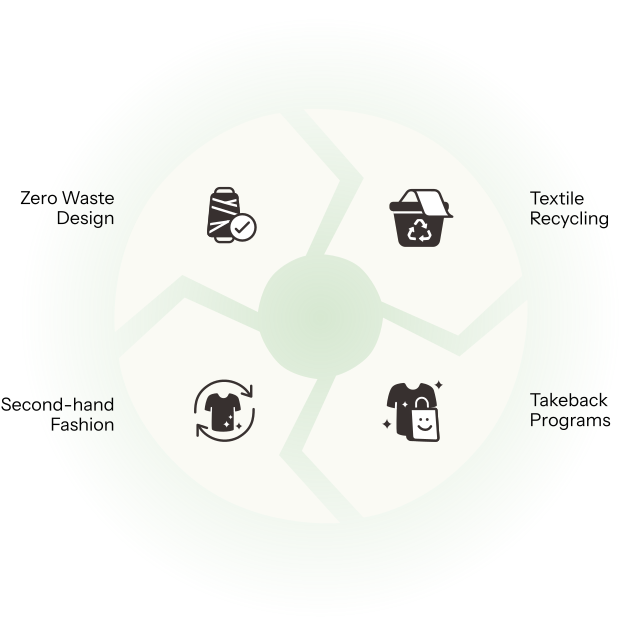
The circular economy is transforming how textiles are made and disposed of. Moving away from the traditional make-use-dispose model, the industry is shifting toward sustainable and closed-loop systems. This shift helps drive innovations and reduce the industry’s environmental footprint.
One major initiative is textile recycling, which turns old fabrics into new materials, reducing the need for virgin resources. This helps lower carbon emissions and decreases waste in landfills. Another key strategy is promoting second-hand and rental fashion, which extends the life cycle of garments. By encouraging reuse, the industry can significantly cut down on waste and overproduction.
Take-back programs are another step toward sustainability in textile industry. Many brands now collect worn-out garments, recycle them, and turn them into new textiles. This keeps materials in use for longer and reduces the environmental impact of discarded clothing.
Moreover, brands are adopting new zero-waste design techniques, such as 3D knitting and seamless garment technology. These innovations eliminate fabric scraps during production and create high-quality clothing while reducing material waste.
Other greener production methods
New advancements in technology are continuing making textile production more sustainable. Some of other most promising solutions include:
- Waterless Dyeing – Techniques like CO2-based dyeing eliminate the need for water in the dyeing process, significantly reducing wastewater pollution.
- Natural Dyes – Using plant-based dyes, such as turmeric, indigo, and madder root. This approach reduces the release of toxic chemicals into the environment.
- Low-Impact Finishing – Methods like laser and ozone treatments for denim finishing reduce chemical use while maintaining fabric durability.
The reality of the textile industry in India

India is a global leader in textile production, employing over 45 million people and exporting fabrics worldwide. However, this success comes with environmental and social challenges.
Many textile hubs like Tiruppur and Surat face severe water shortages because of heavy use in dyeing and processing. Cities like Ludhiana and Ahmedabad struggle with chemical waste contamination, polluting major rivers like the Ganges. While the industry provides livelihoods, many workers in poorly regulated factories endure poor working conditions and low wages.
On a positive note, India is expanding sustainable efforts with growing support from the government, industry leaders, and consumers. Some Indian mills and brands are adopting organic cotton, natural dyes, and zero-waste production. More eco-friendly startups, investment in green technologies, and stricter environmental rules are driving innovation. As demand for sustainable textiles grows, India is leading the way in creating a greener and more responsible industry.
The future of sustainability in textile industry

We’ve taken important steps, but the path to true sustainability is still unfolding. Governments, businesses, and consumers all have a role to play in creating a greener future. To make real change, we need to focus on three key areas.
One major step is enforcing stricter regulations to limit harmful chemicals in textile production. Tougher rules will push manufacturers to adopt green textile practices, reducing pollution and protecting both people and the planet.
Another crucial factor is business investment in research and innovation. New materials, waterless dyeing, and better recycling methods can drastically cut waste and environmental impact. Companies that lead in sustainability will stand out in the market.
Equally important is consumer awareness. When people choose eco-friendly brands, they drive demand for sustainable products. Clear labeling, education, and transparency can help shoppers make responsible choices.
By working together, we can create a greener textile industry and a healthier planet for future generations. At Bioshine Enzymatic, we’re dedicated to making sustainable textile solutions more accessible. Our enzymatic innovations help manufacturers reduce pollution, improve efficiency, and create eco-friendly fabrics. Learn more about how we’re shaping the future of textiles.
